MWhat Mistral said about Venmo
What Mistral said about Venmo
Model ollama/mistral-large-3:675b · analyzed
Response
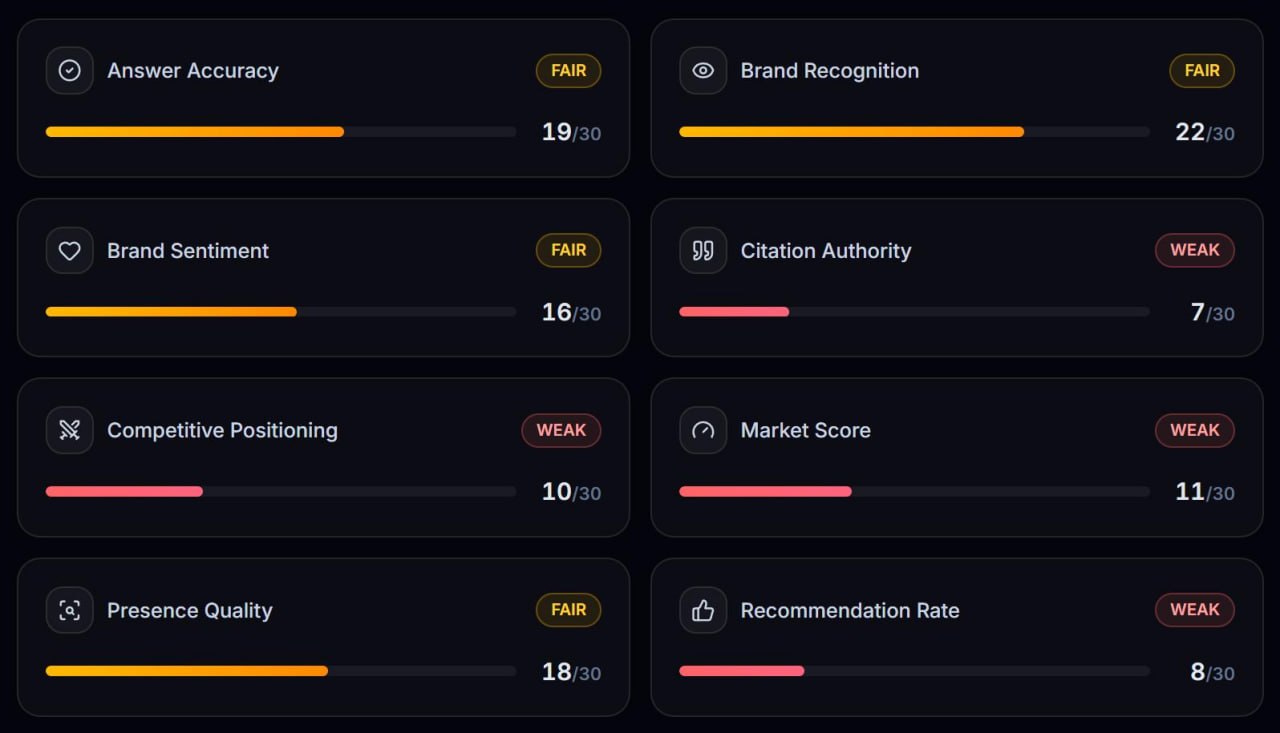
PART 1, ASSESSMENT Venmo is a well-known peer-to-peer (P2P) mobile payments service primarily recognized in the U.S., but its global visibility and reputation are limited. While the brand operates under PayPal’s umbrella and technically serves a global market, its strongest adoption remains in the U.S., where it is a dominant player in casual and social payments. Outside the U.S., Venmo’s presence is minimal, with most global users encountering it only when transacting with U.S.-based contacts. Competitors like PayPal (its parent company), Cash App, Revolut, Wise, and local alternatives (e.g., Alipay, PayNow, or M-Pesa in specific regions) dominate the global P2P space, offering broader functionality, multi-currency support, and stronger regional integration.
Venmo’s core product, quick, social P2P payments, is simple and user-friendly, but its global limitations are notable: no native multi-currency support, restricted availability outside the U.S., and a lack of features like international transfers or business accounts that competitors provide. User feedback in global markets often highlights frustration with these constraints, though U.S. users praise its ease of use and social features (e.g., emoji-laden payment notes). Strengths include strong brand recognition in its home market and seamless integration with PayPal. Concerns center on its U.S.-centric design, limited global utility, and occasional complaints about customer service or frozen funds.
For someone in the global market seeking fintech solutions, Venmo is only recommended if their primary use case involves U.S.-based transactions. For broader needs, international transfers, multi-currency accounts, or local payment methods, competitors like Wise, Revolut, or regional services are far more suitable.
---
Show the exact prompt sent to Mistral
You are an AI answer engine being audited on how you talk about a brand. Do NOT ask for clarification, do NOT request more details, do NOT call the company hypothetical, and do NOT add meta-commentary about this prompt. Brand: Venmo Website: https://venmo.com Industry: Finance / Fintech Products/Services: Peer‑to‑peer mobile payments Location / Target market: Global Your reply MUST have exactly two parts, in this order. PART 1 — ASSESSMENT (prose, under 220 words) Assess this brand SPECIFICALLY in the Global market: its visibility and reputation there, market position and main competitors, products/services, what people in that market say about it, notable strengths or concerns, and whether you would recommend it to someone in Global seeking Finance / Fintech solutions. If the brand is global, still weight the assessment toward Global. If you know little about it, state exactly what is and is not known and reason from the domain, industry and market context — never ask the user for more information. PART 2 — METRICS (mandatory, machine-read) Before writing the metrics, silently run this procedure: a) Write 10 realistic buyer-intent questions someone in Global would ask when shopping in the Finance / Fintech category (for example "best Finance / Fintech provider", "Peer‑to‑peer mobile payments alternatives", "is Venmo any good"). Count how many of those 10 you would answer with Venmo actually named — that number is mentions_out_of_10. b) Estimate how many distinct pages of https://venmo.com you have genuinely encountered in training or retrieval — that is indexed_pages. If you have effectively never seen the domain, use 0. c) List the real competitors you would name in those answers, then work out what share of the total brand-name slots Venmo would occupy (share_of_voice_pct) and its rank within that set. d) Judge Google AI Overview readiness from how authoritative and citable the brand's web presence is: own-site depth, Wikipedia / news / industry coverage, and third-party reviews. Rules for the numbers. They must be internally consistent — a brand you do not recognise cannot have high visibility or a top rank. Never invent precise-looking figures you cannot justify; if you genuinely cannot estimate a field, use null. Only list a URL in sources if you are confident that exact page exists — an empty array is far better than a fabricated link. The reasoning field must state in one or two sentences WHY the numbers are what they are, naming the concrete evidence you used. Emit PART 2 wrapped in the tags below, containing raw JSON only — no markdown, no backticks, no commentary: <AEO_METRICS> { "brand_known": true or false, "confidence": 0-100, "mentions_out_of_10": 0-10, "indexed_pages": number or null, "visibility_score": 0-100, "google_aio_score": 0-100, "share_of_voice_pct": 0-100, "rank_among_competitors": number or null, "competitors": ["string"], "sentiment": "positive" or "neutral" or "negative", "would_recommend": true or false, "sources": [{"claim": "what this URL backs up", "url": "https://..."}], "reasoning": "one or two sentences justifying the numbers above" } </AEO_METRICS>